




The Benefits of Tulsi (Holy Basil)
The Remarkable Benefits of Tulsi (Holy Basil): Nature’s Ancient Adaptogen Backed by Modern Research
Tulsi, also known as Holy Basil, is a sacred aromatic herb native to the Indian subcontinent and a member of the mint family. It has been used for over 3,000 years in Ayurvedic medicine for its physical and spiritual benefits.
Tulsi is far more than the fragrant plant you see in Indian courtyards or Hindu altars. Revered for thousands of years in Ayurveda as “The Incomparable One” and “The Queen of Herbs,” tulsi is considered sacred — a living form of the goddess Lakshmi — yet its real power lies in its extraordinary medicinal properties. Modern clinical studies now confirm what traditional healers have known for centuries: Tulsi is one of nature’s most versatile adaptogens.
Benefits of Tusli (Holy Basil)
- Reduces Stress
- Improves Mood & Sleep
- Helps To Regulate Blood Sugar & Cholesterol
- Supports The Immune System
- Anti-Inflammatory
- Strong Antioxidant
- Supports Respiratory Health
- May Support Cancer Prevention & Radioprotection
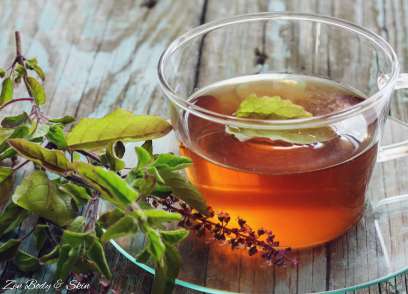
1. A Powerful Adaptogen That Reduces Stress and Improves Mood & Sleep
Tulsi earned the nickname “elixir of life” largely because of its ability to help the body adapt to stress. It modulates cortisol, balances neurotransmitters, and calms the nervous system.
In one study tulsi extract showed significant reductions in stress scores, better sleep quality, and improved mood in adults experiencing high stress. Tulsi is a premier adaptogen comparable to ginseng or ashwagandha, with the added benefit of being gentler and caffeine-free. Many people report feeling calmer and more focused within days of drinking tulsi tea daily.
2. Blood-Sugar and Cholesterol Regulation
Tulsi shows impressive metabolic effects in both animal and human studies. Clinical trials found that holy basil significantly lowered fasting blood glucose and improved lipid profiles in people with metabolic syndrome or type 2 diabetes. These effects appear linked to eugenol, ursolic acid, and other polyphenols that enhance insulin sensitivity and reduce oxidative stress.
3. Immune-System Support and Antimicrobial Action
Tulsi is traditionally used at the first sign of cold or flu — and science backs this up. Human trials demonstrate tulsi leaf extract increases immune markers (natural killer cells, T-helper cells, and interferon-γ) in healthy volunteers. Its essential oils (eugenol, cineole, linalool) exhibit strong antibacterial, antiviral, and antifungal activity, even against resistant strains.
During cold-and-flu season, many Ayurvedic practitioners recommend tulsi tea as a first-line remedy.
4. Anti-Inflammatory and Antioxidant Superstar
Chronic inflammation and oxidative stress underlie most modern diseases. Tulsi is rich in rosmarinic acid, apigenin, luteolin, and other flavonoids with potent anti-inflammatory and antioxidant effects.
Preclinical and some human evidence suggest tulsi can reduce inflammatory markers and protect against radiation-induced DNA damage. Cleveland Clinic researchers note potential benefits for lowering LDL oxidation and inflammation-related conditions such as arthritis.
5. Respiratory Health
In Ayurveda, tulsi is a go-to herb for coughs, asthma, bronchitis, and allergies. Steam inhalation of tulsi leaves or tulsi tea helps clear congestion and soothe airways. Clinical reviews support its bronchodilatory and anti-allergic properties.
pmc.ncbi.nlm.nih.gov
6. Emerging Evidence for Cancer Prevention and Radioprotection
Animal and cell studies are particularly exciting: tulsi and its phytochemicals have prevented chemically induced cancers of the skin, liver, oral cavity, and lungs. They also protect healthy cells during radiation therapy. Human trials are still limited, but the data are promising enough that oncologists in India sometimes recommend tulsi as supportive care.
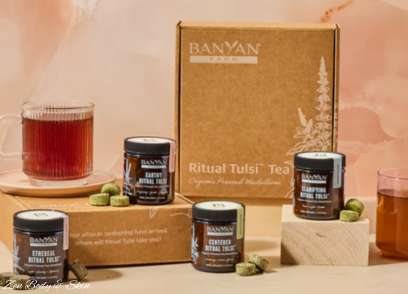
Tulsi can be taken in capsules, in tea infusions, or as a powder. My favorite way to consume tulsi (holy basil) is in Banyan Botanicals Tulsi Tea.
Try Banyan Botanicals Ritual Tulsi Tea Gift Set
To make the most of your ceremony, take the time to become fully present. Bring awareness to your senses, and tune into your breathing. Notice what arises in you as you sit with your tea. You may wish to journal, sit in silence, or share with a friend.
Contraindications For Tulsi
Tulsi is not recommended for those who are pregnant or nursing, or those who are trying to become pregnant. It is also best avoided if you have low blood sugar. If you are taking medications, we recommend speaking with your Ayurvedic practitioner or healthcare provider before trying tulsi.